If you have never cared for leather shoes beyond wiping them on the back of your other pant leg, this is the walkthrough. Leather is skin, and like skin it dries out, gets dirty in its pores, and looks better with basic, regular attention. The routine below is the one Charlotte cobblers wish every customer kept: brush, clean, condition, polish, rest. It takes about fifteen minutes once you have done it twice, and it is the main reason some shoes look good at eight years old while identical pairs look tired at two.
First-timer mistakes are predictable. People polish dirty leather, drown shoes in conditioner, or wear the same pair seven days a week and wonder why it ages fast. Each step below says what to do and what the step is for, in the order a first care session actually happens at the kitchen table or the bench at Park Road Shoe Service.
The full routine, step by step
- Take everything out and brush. Remove the laces, insert shoe trees if you have them, and brush the whole shoe with a horsehair brush. This knocks off surface dirt and dried grit so you do not grind it in during the next steps.
- Clean only if the shoes are actually dirty. For ground-in dirt or old polish buildup, use a leather cleaner or saddle soap on a damp cloth, working gently and wiping residue off. Clean shoes that only need conditioning can skip this step.
- Let them dry briefly. Ten or fifteen minutes at room temperature. Never put cleaner or conditioner on soaking leather, and never speed drying with heat.
- Condition in a thin coat. Apply conditioner with a soft cloth in small amounts, covering the whole upper, and let it absorb for fifteen minutes. The goal is leather that feels supple, not greasy. Buff off any excess.
- Polish for color and shine. Work cream or wax polish in with a cloth or applicator brush, a little at a time, then let it haze. Cream feeds color into scuffs; wax builds shine and a thin water barrier on top.
- Brush, then buff. A brisk horsehair brushing wakes up the shine, and a final pass with a soft cloth finishes it. Edge dressing on the sole edges is optional and makes the whole shoe look sharper.
- Rest the pair. Leave trees in and give the shoes a full day off before wearing. Leather that rests between wearings holds its shape, dries fully inside, and lasts noticeably longer.
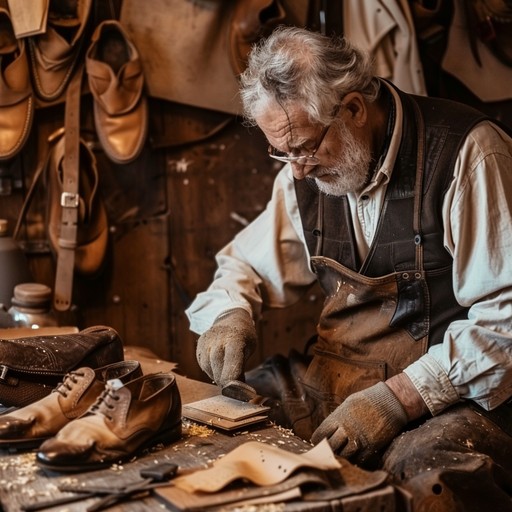
Rest days are a care step, not a luxury
A shoe absorbs a surprising amount of moisture from your foot in one day of wear. Worn again the next morning, it starts the day still damp inside, and damp leather stretches, creases deepen, linings wear, and odor builds. Alternating two pairs so each rests at least a day between wearings is the single highest-value habit in leather care. Two pairs rotated this way will outlast the same two pairs worn in sequence until each dies, and each pair will look better while doing it.
Cedar shoe trees make rest days work harder. Put them in as soon as the shoes come off, while the leather is warm and damp, and they will hold the shape, smooth the toe creases, and draw out moisture. Plastic trees hold shape only. No trees at all lets a resting shoe sag and curl at the toes.
Conditioning and polishing are different jobs
New owners often use the words as if they mean the same thing, then wonder why polished shoes still crack. Conditioner goes into the leather and keeps it flexible. Polish sits mostly on the surface, restoring color and adding shine and mild protection. A shoe can be beautifully polished and still be drying out underneath, which shows up as fine cracks across the toe flex long before the shine fades.
The cadence follows from that. Brush after wearings, or at least weekly in season. Condition when the leather looks dull or feels dry, typically every month or two of regular wear, and after any soaking. Polish when color or appearance needs it, often every few wearings for dress shoes and less for casual pairs. When in doubt, condition less often than you polish; over-conditioning makes leather limp and dark, and it is the more common beginner error.
Charlotte specifics worth knowing
Humidity here means leather dries out slower but mildews faster in closed spaces, so store shoes where air moves, not in sealed bins. Summer heat in a car trunk will cook conditioner and glue alike, so shoes do not live in the car. Red clay dust is abrasive, so brush before a muddy pair goes back in the closet. And pollen season leaves a film on everything; a quick brushing before polishing keeps that film out of your finish. None of this takes extra products, just the routine above done on schedule.
Common questions
What is the minimum kit I need to start?
A horsehair brush, a soft cloth, conditioner, and a cream polish in your shoe color, plus cedar trees. That short list covers the entire routine in this guide.
Can I use the same polish on black and brown shoes?
No. Pigmented polish will tint leather, so match polish to the shoe. Neutral polish exists for shine without color, but it will not restore scuffed color.
How long should shoes rest between wearings?
A full day is the standard advice, with trees in. Two pairs in rotation is the easiest way to make that happen without thinking about it.
Photos in this guide are representative stock images.
← All guides from Park Road Shoe Service← Back to Park Road Shoe Service