A resole replaces the worn bottom of a shoe so the upper you have broken in can keep going. For the right shoe it is the best value in footwear. For the wrong shoe it is money spent under a shoe that is finished anyway. The difference is construction, and construction is a fact about how the shoe was built, not an opinion a Charlotte shop invents at the counter.
There is also a clock on the decision, which is the cost of neglect in this trade. Every week you wear a shoe past the end of its sole, the damage climbs from the replaceable layer into the structural layers. A resole quoted in time is a routine job. The same shoe worn another season becomes a rebuild, or a write-off. This guide draws both lines: which shoes can be resoled, and how long you can wait.
Construction decides what is possible
Goodyear-welted and stitchdown shoes are built to be resoled. A welt strip joins upper to sole, and a cobbler can remove the worn sole, fit a new one, and restitch it without disturbing the upper. Blake-stitched shoes can usually be resoled too, on the right equipment. These constructions are common in quality dress shoes and work boots, and they are the reason those shoes cost more at the start.
Cemented shoes are the other world. Most sneakers, fashion shoes, and inexpensive dress shoes have soles glued on with no stitching and no welt. Some can accept a new glued sole or a protective half sole, but many cannot be resoled cleanly, because removing the sole tears the structure it was glued to. A shop like Park Road Shoe Service will look at the shoe and tell you which world it lives in. That look takes a minute and settles the question.
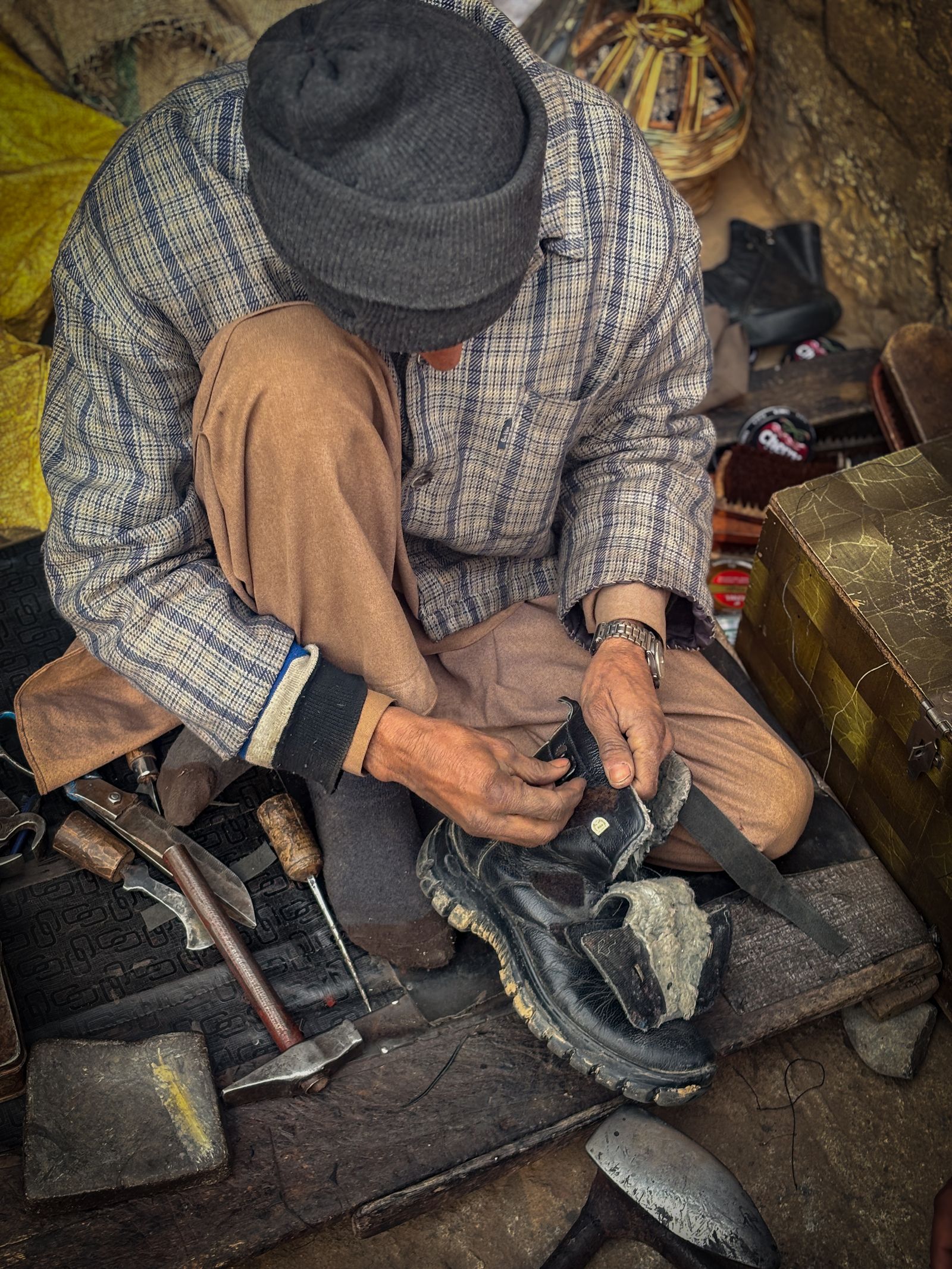
The upper has to deserve the sole
Even a resoleable shoe is a poor candidate when the rest of it is gone. Leather uppers cracked through at the flex point, linings worn into holes, insoles collapsed or split, and uppers stretched so far the shoe no longer holds the foot will not be rescued by new rubber or leather underneath. The test is honest: if the top of the shoe embarrasses you and hurts your foot, a new bottom changes neither.
The reverse case is the classic resole candidate, and owners underrate it. A shoe with clean, supple uppers, a comfortable broken-in insole, and a sole worn smooth is exactly the shoe worth investing in, because the expensive part, months of break-in and good leather, is already yours. Resoling returns it to near-new function for a fraction of replacing the same quality new.
The cost of waiting, layer by layer
A sole wears in stages. First the tread or leather surface goes smooth, and grip and water resistance go with it. Then the sole thins toward a hole, usually at the ball of the foot. Past the hole, you are wearing the midsole and then the insole board itself, grinding down layers that a resole was supposed to protect. Water enters freely by this stage, soaking the insole and the bottom of the upper, and Piedmont rain finds that hole on the first wet sidewalk.
Each stage raises the repair. A timely resole is a sole and a heel. A late one adds midsole replacement, insole work, and sometimes upper damage at the welt line that shortens the shoe's remaining life even after repair. The practical rule is simple: when you can see the sole getting thin or feel pavement through it, the shoe is telling you this month, not this year. Heel wear works the same way, and a cheap heel cap replaced early protects the whole heel stack.

A quick decision you can make at home
Look for stitching around the edge of the sole, press the upper at the toes for cracks, and flex the shoe to see whether the insole feels solid. Check the heels for uneven wear and the lining at the back of the heel for holes. Sound upper, stitched construction, thin sole: resole it. Cracked upper, collapsed inside, glued sole peeling in sheets: replace the shoe and put the money toward a resoleable pair if you wear this style daily. When the signs conflict, bring the pair in. The verdict at the counter is quick, and it is based on the shoe in hand, not a guess.
Common questions
Can sneakers be resoled?
Most cannot in the traditional sense, because their soles are cemented and molded. Some can take a glued replacement or protective sole, but many are built to be replaced whole.
How do I know my shoe is welted?
Look for a strip of leather, the welt, running around the shoe between upper and sole, usually with visible stitching. If in doubt, a repair shop can tell you at a glance.
Is a resole worth it on shoes I only like a little?
Probably not. Resoling pays when the upper is quality and already fits you well. For shoes you feel lukewarm about, replacement usually makes more sense.
Photos in this guide are representative stock images.
← All guides from Park Road Shoe Service← Back to Park Road Shoe Service